Bastet – MANGO

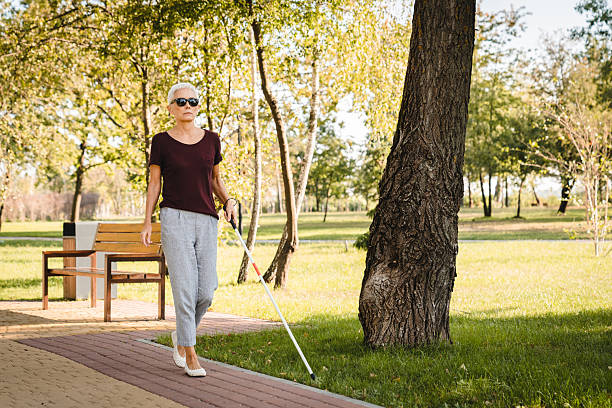
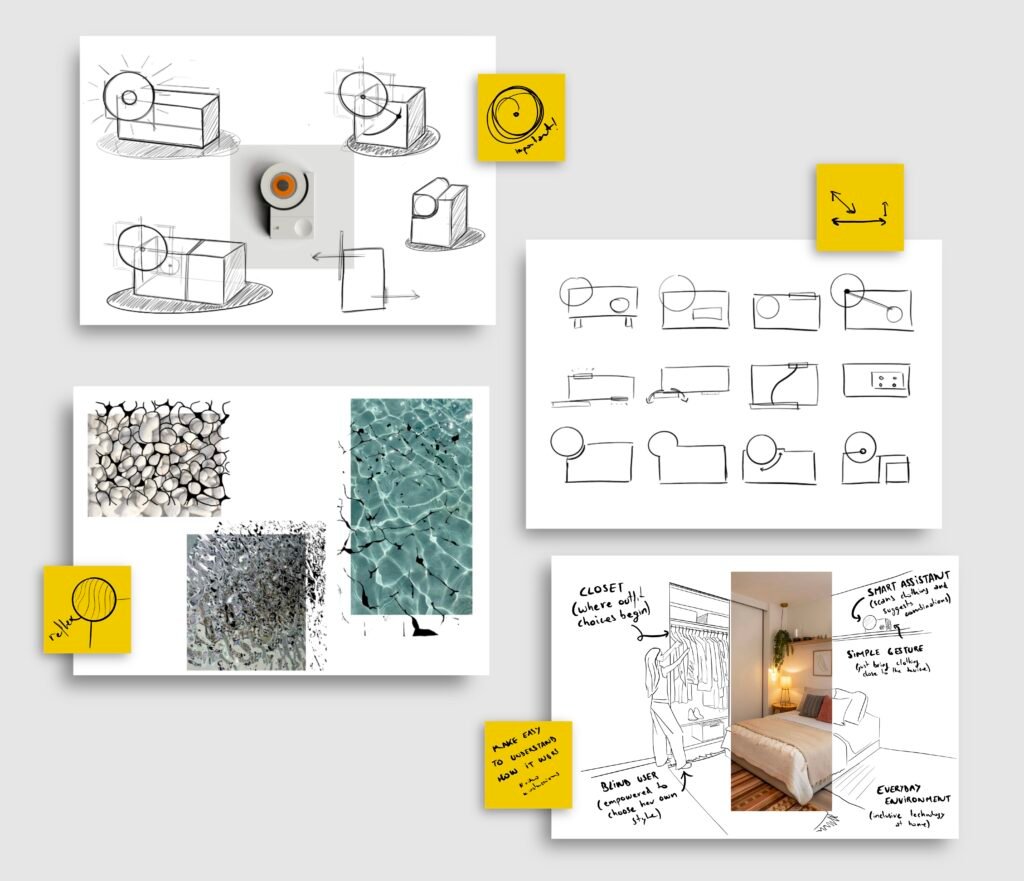
Why: People with visual impairments care about their appearance just like everyone else. This project challenges that misconception by helping users choose outfits independently, promoting confidence, autonomy and inclusion.

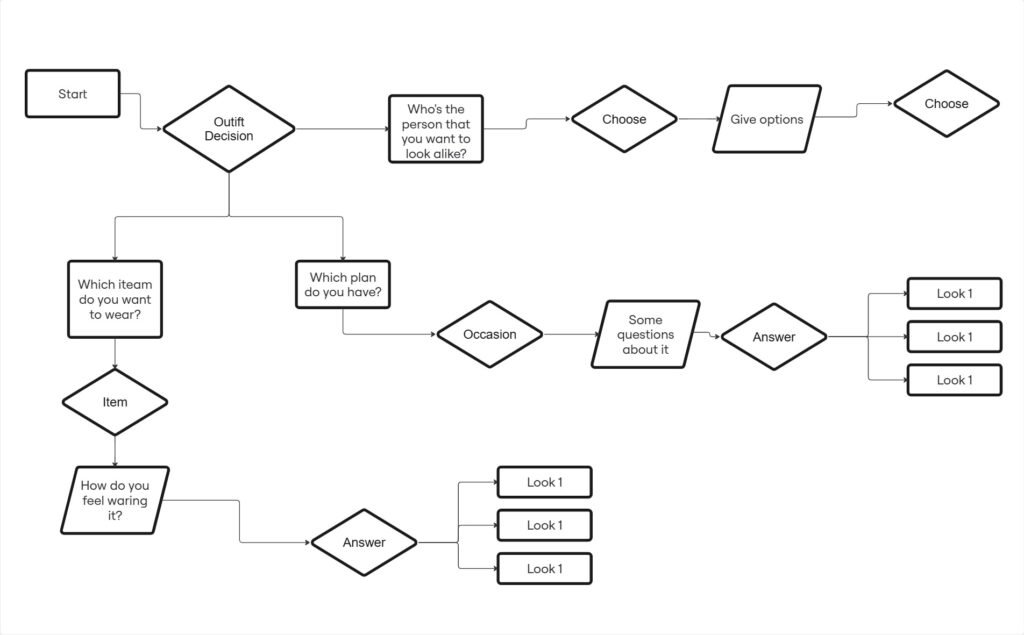
What:An AI-powered assistant designed to help people with B2-level visual impairment choose outfits based on the occasion or specific garments they already own. The concept was developed in collaboration with the B1+B2+B3 Visual Disability Association.

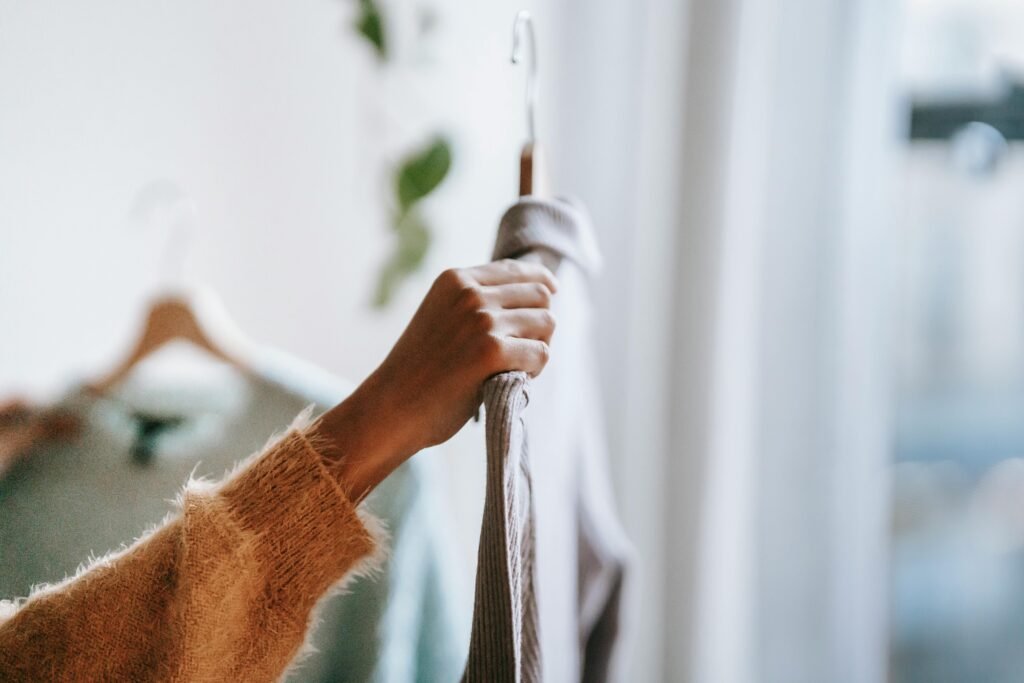
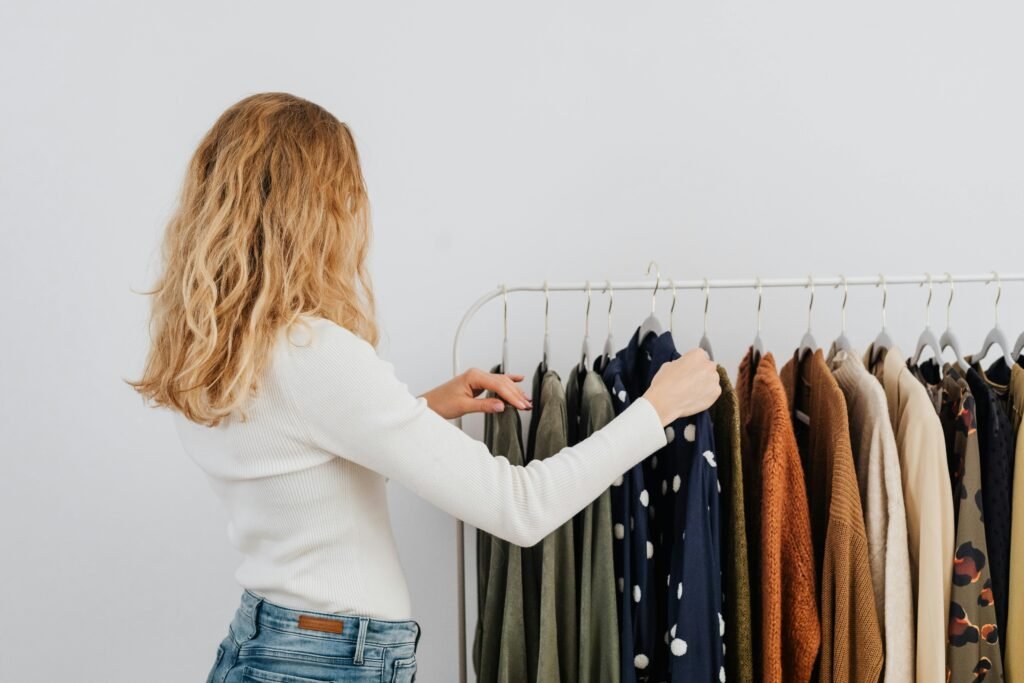
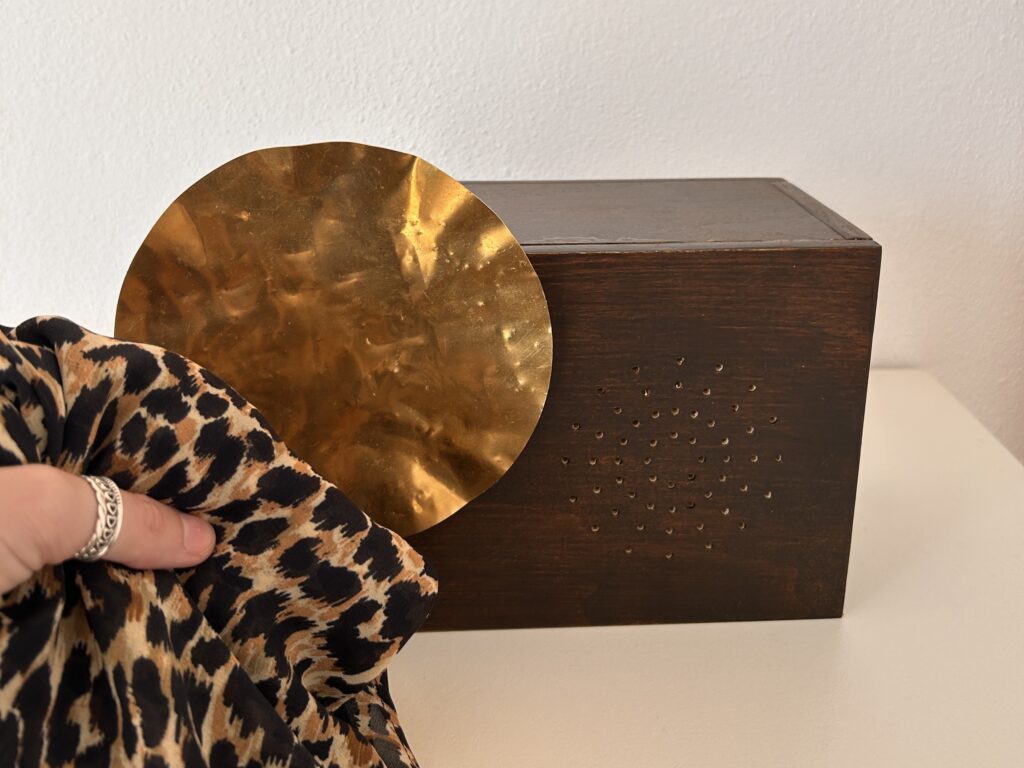
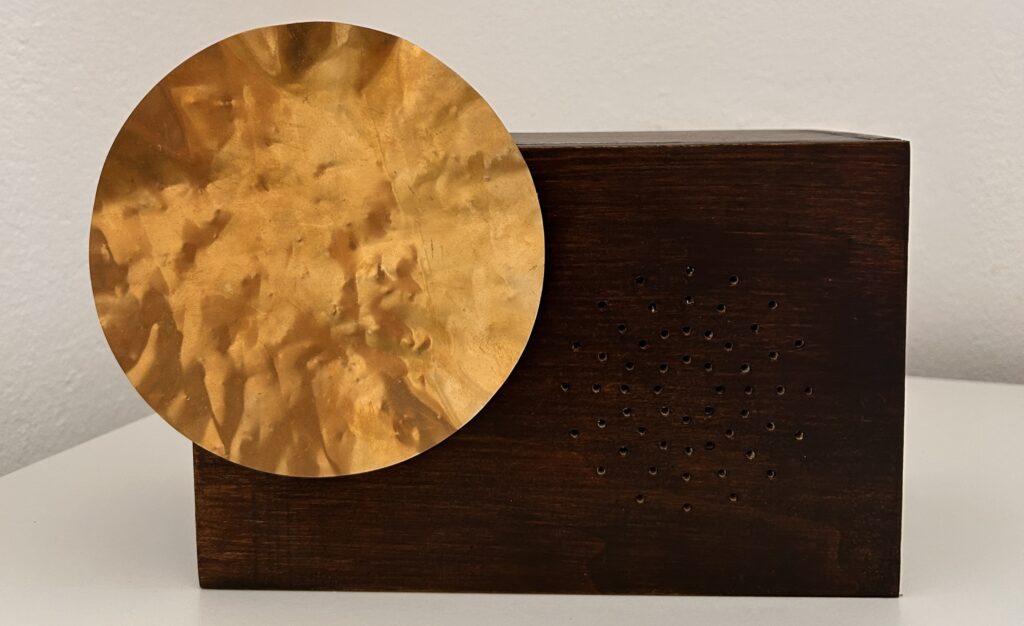
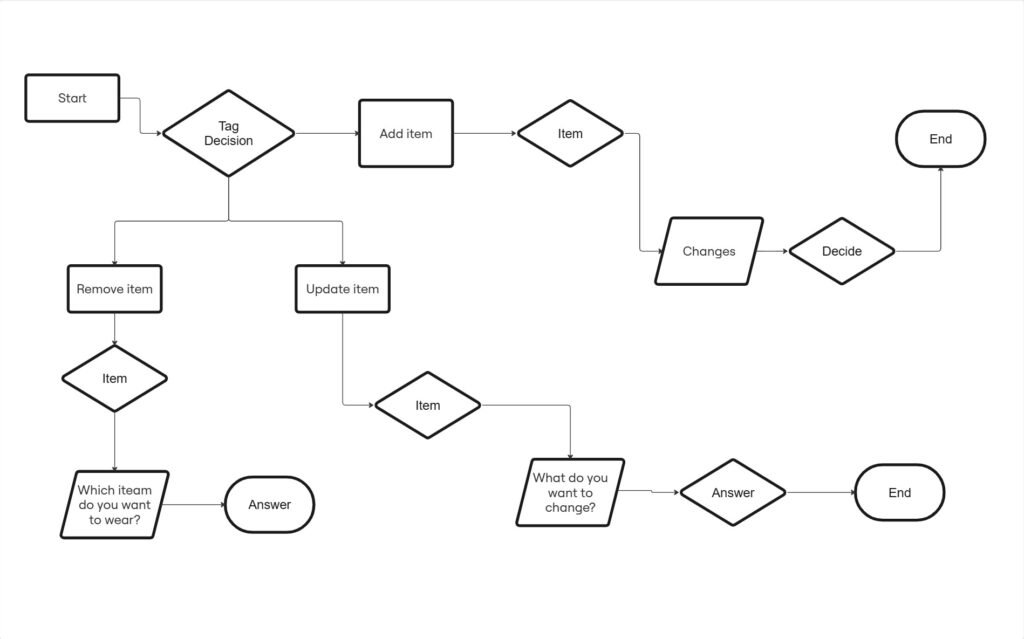
How: The concept uses the NFC tags already embedded in clothing labels to identify garments. Combined with AI, the system keeps track of the user’s wardrobe and generates personalised outfit recommendations.

02/05

Bastet – MANGO

Why: People with visual impairments care about their appearance just like everyone else. This project challenges that misconception by helping users choose outfits independently, promoting confidence, autonomy and inclusion.

What:An AI-powered assistant designed to help people with B2-level visual impairment choose outfits based on the occasion or specific garments they already own. The concept was developed in collaboration with the B1+B2+B3 Visual Disability Association.

How: The concept uses the NFC tags already embedded in clothing labels to identify garments. Combined with AI, the system keeps track of the user’s wardrobe and generates personalised outfit recommendations.

Inclusion is not a luxury—it’s a right.

People with visual disabilities deserve more than survival; they deserve joy.

We all care about how we look and how we feel.

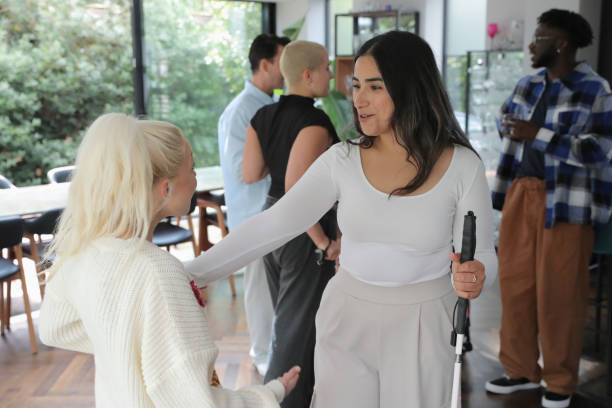
Blind people want to feel bold, stylish, and confident too.

Autonomy means choosing your own outfit, not having it chosen for you.

Blindness doesn’t erase identity, interests, or the desire to belong.